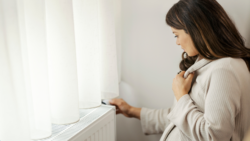
The Clocks Go Back: Your Quick Home Comfort Checklist
This Sunday, 25 October, the clocks go back an hour, and for most of us that’s when the heating starts coming on every day. It’s a lovely extra hour in bed, but it also marks the start of darker evenings and colder mornings.
Because it happens on the same weekend every year, the clock change is the perfect reminder to give your home a quick once-over before winter properly arrives. A few small jobs now can help your heating run smoothly, keep your bills in check and save you from a chilly surprise on the first frosty morning.
Here’s our simple checklist to work through this weekend.
Why it matters for your heating when the clocks go back
For most of the year, our heating ticks along in the background. Once the clocks go back, that changes quickly: we spend more time indoors, the evenings are cooler and our heating starts working every single day.
That extra demand is when small problems tend to show up. A radiator that’s been a bit cold at the top, a boiler that loses a little pressure or a timer that’s slightly off can all go unnoticed in the summer. In winter, they can leave you with a cold house or a breakdown at the worst possible moment. Spending half an hour on the checks below can make a real difference.
1. Reset your heating timer when the clocks go back
Smart thermostats usually update themselves automatically, but many older dial and digital timers don’t. If yours hasn’t changed when the clocks go back, your heating will come on an hour early or an hour late, warming an empty house or leaving you shivering at breakfast.
While you’re there, take a moment to check your schedule still suits your routine. Your heating needs often change once the darker evenings arrive, so it’s worth making sure it comes on when you actually need it.
2. Test your carbon monoxide alarm
The clocks changing is a great reminder to press the test button on your smoke and carbon monoxide alarms. Your heating will be working harder from now on, so it’s important to know your CO alarm is doing its job.
Carbon monoxide has no colour, smell or taste, so an alarm is the only way to know it’s there. If your alarm is more than seven years old, keeps chirping or doesn’t respond when you test it, it’s time for a new one. Every home with a fuel-burning appliance, such as a gas, oil or LPG boiler, should have one.
3. Bleed your radiators
If your radiators feel warm at the bottom but cold at the top, there’s air trapped inside. Bleeding them is quick and easy. Turn the heating off and let the radiators cool, then use a radiator key to open the bleed valve slowly, with a cloth ready to catch any drips. Close it again as soon as water starts to appear.
Once the air is out, your rooms will warm up faster and your boiler won’t have to work as hard to heat your home.
4. Check your boiler pressure
Most combi boilers have a pressure gauge on the front. With the heating off, it should usually read between 1 and 1.5 bar, but check your boiler’s manual for the exact figure.
It’s normal for the pressure to dip a little after bleeding radiators, and your manual will show you how to top it up. If the pressure keeps dropping on its own, though, give us a call. That can be a sign of a leak somewhere in the system, and it’s best to get it looked at sooner rather than later.
5. Give your air conditioning some attention
Many air conditioning units have a heating mode, and lots of our customers use theirs to take the chill off a room on autumn evenings. If you’ll be using yours this winter, give the filters a clean so it runs efficiently.
If you won’t be using it until next summer, clean the filters before you switch it off for the season. That way it’ll be fresh and ready to go when the warmer weather comes back.
6. Book your annual service
A yearly boiler service is the best way to keep your heating safe, efficient and reliable. During a service, one of our Gas Safe registered engineers will check your boiler thoroughly, clean key parts and make sure everything is working as it should. If anything needs attention, we’ll explain it clearly and let you know your options.
Booking before the coldest weather arrives also means you’re far less likely to be caught out by a breakdown when you need your heating most.
Heating warning signs to watch for after the clocks go back
Boilers usually let you know when something isn’t quite right. Keep an eye and an ear out for:
- Banging, gurgling or whistling noises
- Radiators that take a long time to warm up
- A pilot light that keeps going out, or a flame that burns yellow rather than blue
- Water leaking from the boiler or pipework
- Pressure that drops again and again
If you notice any of these, don’t wait for it to get worse. Get in touch and we’ll take a look.
Keeping your heating cosy after the clocks go back
When the clocks go back, it doesn’t have to mean a cold, gloomy few months for your heating or your home. With your system checked and ready, you can enjoy cosy evenings in without worrying about what might go wrong. Close your curtains as soon as it gets dark to keep the warmth in, keep furniture away from radiators so heat can circulate, and set your thermostat to a steady, comfortable temperature rather than turning it up and down.
Stay covered all winter
Our Care Plans start from £12.50 a month and include repairs covered up to £500. One of our engineers will visit to check your system before your cover begins, so you can head into winter knowing you’re looked after.
Ready for the darker evenings? Call our team on 0330 383 0000 or book online at customheat.co.uk.