Should you open windows in winter? And how long for?
02nd Mar 20265 minute read
Lincoln Smith
When temperatures drop, our instinct is simple: shut the windows, turn up the heating and keep the cold out. But is that actually the healthiest option for your home?
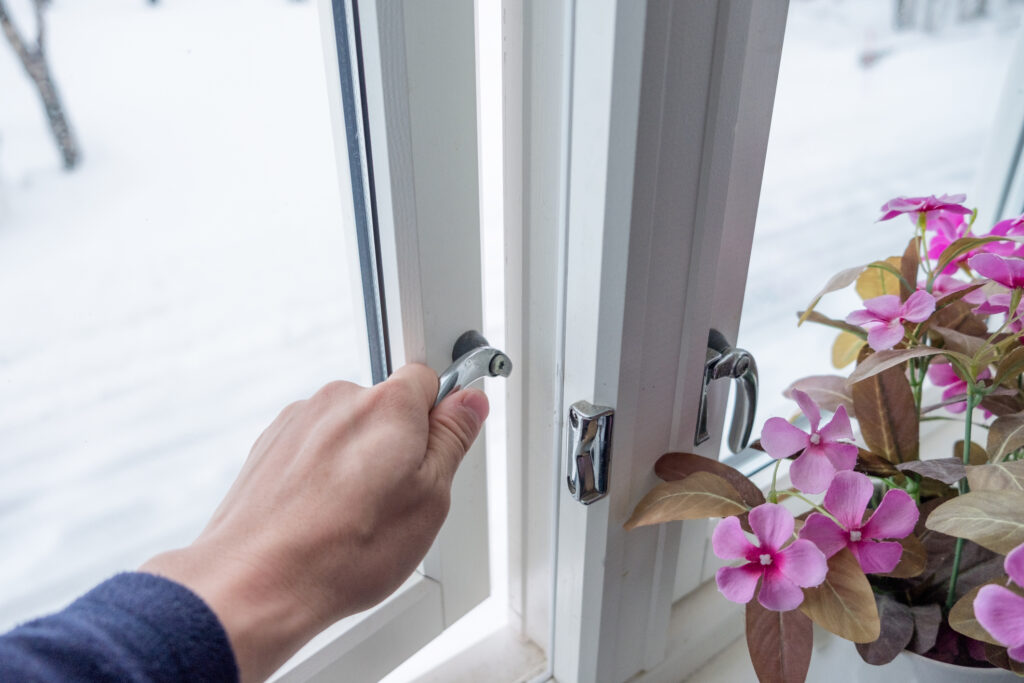
Ventilation plays a bigger role in winter comfort than many people realise. From reducing condensation and mould to improving indoor air quality, opening windows in winter can be beneficial – if you do it properly.
Here’s what you need to know.
At a glance:
Yes, opening windows in winter is usually a good idea
Short, regular ventilation is better than leaving windows open all day
It helps reduce condensation, damp and mould
You don’t need to lose lots of heat to get fresh air
Poor ventilation can put strain on your heating and plumbing systems
Is it good to open windows in the winter?
In most cases, yes. Modern homes are well insulated, which is great for keeping heat in, but it also means moisture, pollutants and stale air can get trapped inside.
“Opening windows in winter can actually be good for your home and your health, as it helps flush out stale air, excess CO₂, cooking smells, and indoor pollutants, instantly improving air quality. Letting in cold, fresh air also reduces condensation and mould because colder air holds less moisture, which helps keep walls and windows dry.”
Chris Knowles, Operations Director at Custom Heat
Everyday activities like cooking, showering, drying clothes and even breathing release moisture into the air. Without ventilation, that moisture settles on cold surfaces like windows and external walls.
Opening windows (even briefly) helps:
Replace stale air with fresh air
Release excess moisture
Improve indoor air quality
This is especially important in kitchens, bathrooms and bedrooms.
The benefits of opening windows in winter
1. Reduces condensation
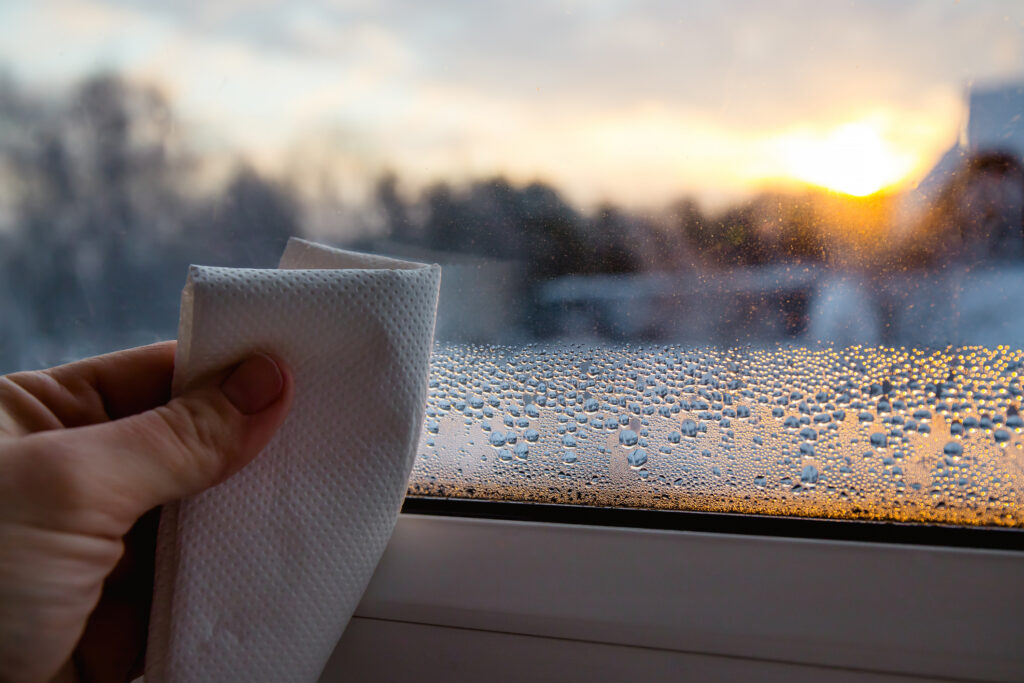
Condensation forms when warm, moist air hits cold surfaces. Ventilating allows moisture to escape before it becomes a problem.
2. Helps prevent damp and mould
Mould thrives in humid, poorly ventilated spaces. Regular airflow makes your home less hospitable to spores.
3. Improves air quality
Indoor air can contain pollutants from cleaning products, cooking fumes and carbon dioxide buildup. Fresh air improves comfort and concentration.
4. Protects your home
Persistent damp can damage plaster, paintwork and window frames – and may even impact plumbing and heating systems over time.
What happens if you never open your windows?
If a home isn’t ventilated at all during winter, you may notice:
Streaming windows every morning
Black mould around frames or ceilings
Musty smells
Peeling wallpaper or paint
Increased humidity that makes rooms feel colder
Excess moisture can also make it harder (and more expensive) to heat your home efficiently, as damp air takes more energy to warm.
How long should you keep windows open in winter?
You don’t need to leave windows open for hours.
Just 5–10 minutes, once or twice a day.
Open windows wide rather than leaving them ajar and focus on rooms that produce the most moisture.
This refreshes the air without significantly cooling walls, floors or furniture – so your heating doesn’t have to work overtime.
What’s the best time to open windows in winter?
The best times are:
Midday, when outdoor temperatures are highest.
After cooking or showering.
In the morning, to clear overnight moisture from bedrooms.
Try to avoid leaving your windows open during the coldest parts of the night.
How to get fresh air without getting too cold
If you’re worried about heat loss, try these tips:
Turn off radiators briefly while ventilating
Ventilate one room at a time
Use extractor fans in kitchens and bathrooms
Keep internal doors open to encourage airflow
Make sure trickle vents on windows are clear and open
If condensation and damp persist, it may be a sign that your heating or ventilation system needs attention. A professional heating or plumbing check can help identify underlying issues.
FAQs about keeping windows open in colder weather
Does opening windows increase humidity in winter?
No. Cold outdoor air generally contains less moisture than warm indoor air. Ventilation helps reduce overall humidity levels.
Does opening windows reduce damp in winter?
Yes. Regular ventilation is one of the simplest and most effective ways to reduce damp caused by trapped moisture.
Does opening windows in winter help with condensation?
Yes. It allows moist air to escape, reducing the chances of water forming on windows and walls.
Should I open windows in winter to prevent mould?
Yes. Alongside heating and insulation, ventilation is key to preventing mould growth.
Should window vents be open in winter?
Yes. Trickle vents are designed to provide continuous background ventilation without major heat loss.
Should I open my bathroom window in winter?
If you don’t have an extractor fan, opening a window for 5–10 minutes after showering is a good idea.
Will opening windows waste heating energy?
Short, controlled ventilation causes minimal heat loss compared to the long-term cost of damp, mould and inefficient heating.
Why are my windows soaking wet every morning?
This is usually caused by overnight moisture from breathing combined with poor ventilation and cold glass surfaces.
When ventilation isn’t enough
If you’re constantly battling condensation, cold spots or damp, it could indicate:
Poor insulation
Inefficient heating
Boiler or system issues
Regular boiler servicing can improve heating efficiency and help maintain a healthier indoor environment. Learn more about boiler servicing with Custom Heat.