


Smelly drains: Causes and Solutions
How To Get Rid Of Smelly Drains: Causes and Solutions
Few things ruin a cosy evening meal or relaxing bath faster than the unmistakable stench of a smelly drain. Whether it’s lingering in your kitchen while you prep dinner or creeping into your bathroom as you try to unwind, unpleasant drain odours are more than just a nuisance – they’re a sign something’s not right.
The good news? Most smelly drains can be fixed with a few simple steps. In this guide, we’ll walk you through how to get rid of smelly drains in your kitchen, bathroom and even outdoors. Plus, we’ll help you spot the warning signs that mean it’s time to call in a professional plumber.
At a glance:
Get rid of smelly drains with simple at-home remedies like baking soda, vinegar and boiling water. For persistent odours, a plumber can diagnose and fix deeper issues.
Contents:
- What Causes Smelly Drains?
- How to Get Rid of Smelly Drains in Your Kitchen
- How to Get Rid of Smelly Drains in Your Bathroom
- How to Get Rid of Smelly Drains Outside
- Making Sure The Smell Stays Away
- When Is It Time To Call A Professional?
What Causes Smelly Drains?
Unpleasant smelling drains can be caused by a multitude of reasons – whether it’s everyday waste building up or a plumbing issue that needs attention.
Let’s take a look at some of the common culprits:
Food
Leftover food scraps not properly scraped off plates can slip down the sink, get trapped and start to rot – leading to a nasty smell and potential blockage. If the water is draining slowly (or not at all) you likely have a blockage on your hands.
Fat, Oil and Grease
Just like food debris, when fat, oil and grease go down the kitchen drain, they stick to the pipes, solidifying and causing blockages. This sticky residue traps bacteria and food particles, creating the perfect recipe for bad smells. This can also happen in bathrooms from soap and other cosmetic products going down the drain.
Hair
We’ve all had the unpleasant job of fishing clumps of hair out the shower drain. It’s not fun, but letting this build up can lead to smelly drains as the hair congeals with other products and causes blockages.
Plumbing Problems
It could be that your plumbing system is old or needs attention. Issues such as leaks, rust or missing parts can lead to bad odours.
Sewer Gases
That rotten egg smell? It could be sewer gases coming up through the pipes. If a sink hasn’t been used in a while, the water in the P-trap (designed to block those smells) can evaporate, leaving nothing to stop the stench.
Appliances
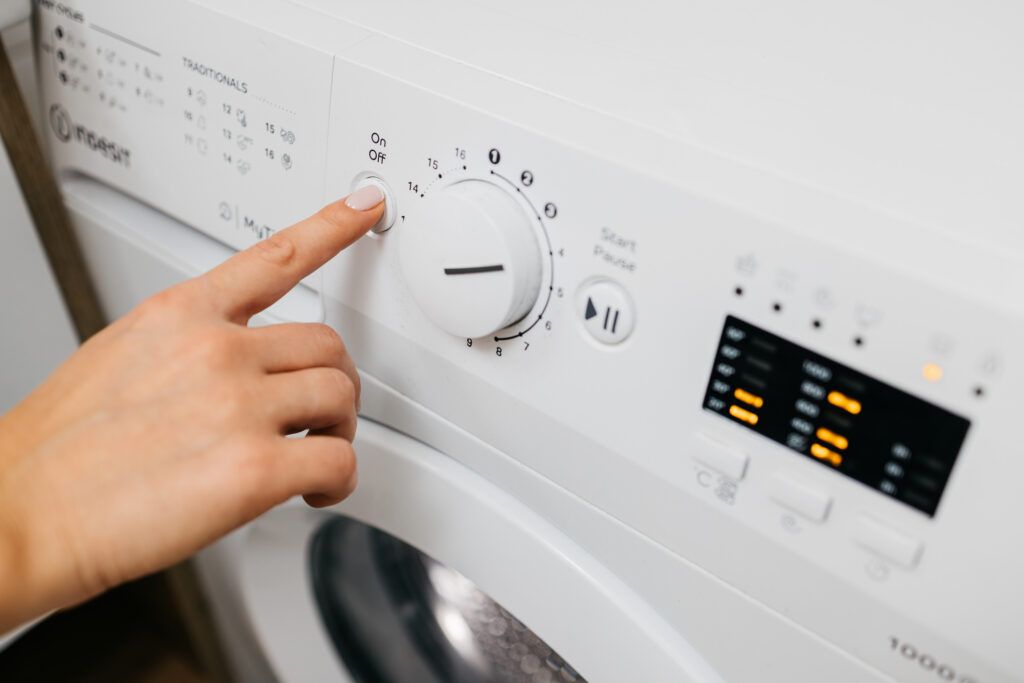
Washing machines and dishwashers need regular attention too. If they’re not regularly cleaned, limescale, food particles and detergent residue can build up, clogging internal pipes and releasing unpleasant smells.
Mould
Mould and mildew love damp, dark spaces – just like the inside of our drains. If your water is draining slowly and you notice a musty smell, mould could be the culprit.
How to Get Rid of Smelly Drains in Your Kitchen
For blockages:
- The first thing to do is identify the cause of the smell and where it’s coming from. If you can’t work it out, you may need to speak to a plumber.
- Next, it’s important to protect yourself from any bacteria or harsh products you might need to use. Always wear rubber gloves and safety goggles. Keep the windows open and rooms well ventilated when using harsh chemicals.
- Then, clear the kitchen sink of any food waste. Pour boiling water down the drain, wait for a few minutes, then rinse with cold water to wash away grease and debris.
- If that doesn’t work, you could try pouring a small amount of white vinegar down the drain, wait for 30 minutes and follow with hot water.
- Alternatively, you could try pouring half a cup of baking soda, followed by one cup of white vinegar down the drain. This should foam up. Leave it for about an hour then follow with boiling water.
- Use a kitchen plunger for stubborn blockages.
- You could also buy a chemical cleaner or unblocker designed for kitchen sink drains and follow the instructions on the bottle.
- If neither of these work and the smell persists, you may have a more serious blockage that requires a plumber to resolve.
For P-trap issues:
The U-bend (or P-trap) under your kitchen sink should contain water to stop sewer gases and smells coming up the drain. If this water has evaporated you can try running the tap to fill this up again.
If this doesn’t resolve the smell, you may have a leak or blockage. In this case, it’s time to call in a professional plumber.
How to Get Rid of Smelly Drains in Your Bathroom
To get rid of smelly drains in your bathroom, you can start by trying the hot water, vinegar and baking soda methods we’ve described above. These natural ingredients can help break down grime and neutralise odours without harsh chemicals.
It’s also worth cleaning the overflow (the small hole at the top of the sink basin) to remove a build up of soap, toothpaste and other bathroom products. Use white vinegar or diluted bleach (never both together!) and a toothbrush to give the rim and inside of the overflow a good scrub.
Still noticing a smell? It could be the trap (that curved section of pipe) under the sink which may need taking apart, unblocking and cleaning or re-sealing – a job best left to a plumber if you’re unsure.
A Smelly Shower Drain
Hair, soap and shampoo residue are usually behind a smelly shower drain. Start by removing any visible clumps of hair or debris. If the smell lingers, go in with the vinegar and baking soda combo again for a deeper clean.
A Smelly Toilet Drain
A smelly toilet drain is more likely caused by a dry P-trap or blocked vent pipe. It could also be caused by leaky seals, sewer problems or blocked pipes. If plunging or drain cleaning methods don’t work, it’s best to call a plumber.
How to Get Rid of Smelly Drains Outside
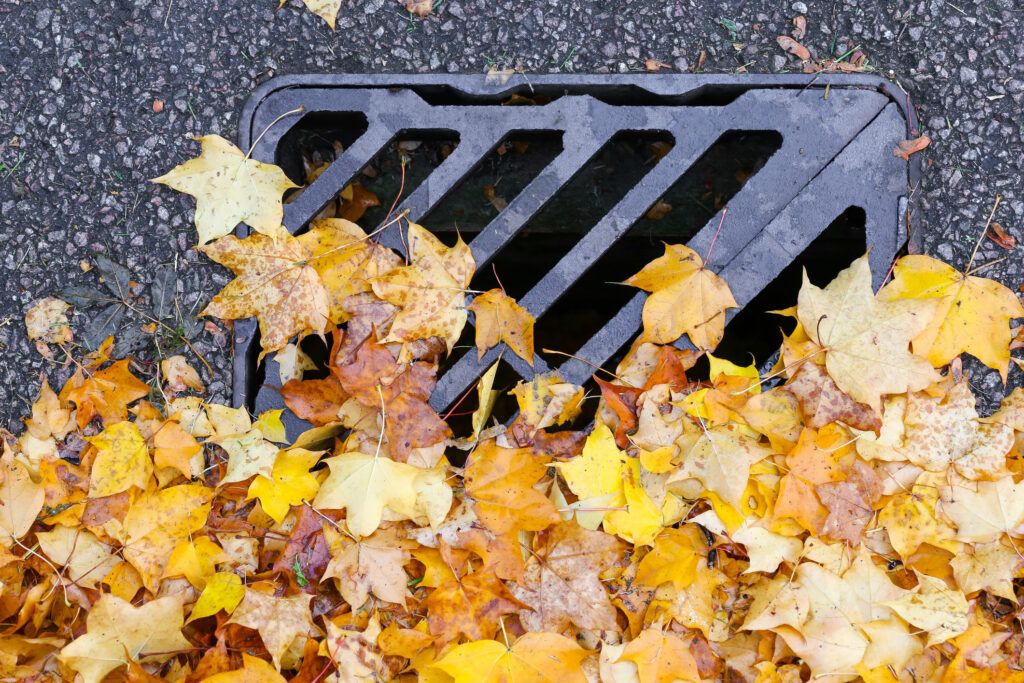
The causes of a smelly outdoor drain can be a little more complicated, so you may need a drainage survey to pinpoint the cause.
Here’s what you can do:
- Clear debris like leaves, soil and litter from the drain grate
- Flush the drain with boiling water or a hose to help dislodge minor build-up
- If the smell persists, especially if it smells like sewage, it may be time for a drainage survey or a call to your local authority
Making Sure The Smell Stays Away
The best way to prevent bad smelling drains is regular maintenance and cleaning. Here are a few easy habits to keep your drains fresh:
- Avoid putting waste down the drain by placing a sink strainer over the plug hole
- Use kitchen towel to soak up grease before putting oily plates in the sink or dishwasher
- Clean your pipes regularly with hot water
- Clean or change your dishwasher filter regularly
- Remove hair from shower drains after every use
- Don’t flush anything other than toilet paper
- Get regular maintenance checks from a professional plumber

When Is It Time To Call A Professional?
Unfortunately, there are some funky odours that home remedies just can’t fix. Here are your signs that it’s time to call a plumber:
- The smell won’t go away – If you’ve tried everything in this guide and you still have smelly drains, a plumber will be able to identify the root cause of the problem
- The smell is unbearable – If the smell coming from your bathroom drains is overwhelming, this could be a sign that you have a serious blockage or sewer problem
- The drains keep getting clogged – This may signify a deeper problem that a professional needs to identify
An experienced plumber will have the knowledge, skills and tools to properly diagnose the problem and find the best solution.
Need help dealing with persistent smelly drains?
We can provide all kinds of plumbing repairs and maintenance, including unblocking drains in your bathroom or kitchen. Get fully accredited plumbers with experience working in domestic and commercial spaces. Give us a call or book online for a no-obligation quote!
FAQs About Dealing With Smelly Sink Drains
Still have questions about dealing with stinky drains? Find the answers to more commonly asked questions…
Why is There a Smell Coming From My Drain?
Smells are most commonly caused by food, oil, soap scum or other build ups. However, they can also be caused by plumbing issues like leaks or missing vents.
How Can I Stop My Drains From Smelling?
Follow the tips above to keep your drains smelling fresh. Regularly flush your drains with boiling water to help prevent clogging and blockages. Always call in a professional if you suspect you might have a plumbing issue.
What is Best to Put Down Smelly Drains?
Home cleaning solutions such as hot water, white vinegar and baking soda can be used to clean and deodorise drains. If you need something stronger, you can use a specially formulated cleaning solution or drain unblocker.
Always check the material of your pipes before you use harsh chemicals as some chemicals can erode brass pipes. In this case, using a snake to clean around bends, or getting a professional plumber to clean the pipes is recommended.