


Energy Saving Home Improvements: Stay Warm at Home for Less
With UK energy costs rising each year since 2021, find out how to make your home more energy efficient.
In October 2024, Mintel’s Household Confidence Tracker found 52% of Brits were concerned about paying their energy bills in winter. And 2025 is no different. As temperatures drop, heating costs are on everyone’s minds. So, here’s how to stay cosy this winter and save money on your heating bills.
At a glance:
- Quick-wins and ‘DIY’ upgrades include draught-proofing, insulting against the cold and shielding boilers in protective jackets.
- Bigger changes, like replacing older boilers or switching to a renewable energy source, come with upfront costs but stack up to long-term savings.
- Hybrid boilers, solar panels and heat pumps are gaining popularity. They’re great for the environment and your wallet, especially if you qualify for a government grant.
Simple DIY Energy Efficiency Upgrades for the Home
How to easily create an energy-efficient home this winter?
- Draught-proof windows and doors: Think doors snakes and stopping up cracks or gaps. Weather-’stripping’ or ‘sealing’ means fixing rubber, foam or felt around the edges of doors and windows. Some 18% of the heat your home loses is through windows, and 3% is through doors.
- Insulate: Upgrade your loft insulation, add pipe lagging (foam tubing that slips over hot water pipes) and fix a hot water jacket to your boiler. Covering your boiler alone can reduce heat losses by up to 75%.
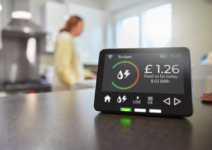
- Nudge down the thermostat: Lowering your thermostat by 1°C can save over £100 a year – and we bet you won’t even notice the difference. Small change, big impact. Smart thermostats are also great for controlling your environment. Heat only the areas you need, when you need them.
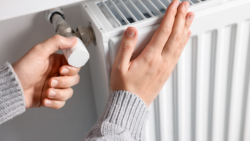
- Show your radiators some care: Bleeding your radiators and installing reflective panels behind them boosts their heat output and reduces energy waste.
- Take shorter showers and fix leaky plumbing: Spend less time in the shower, fix dripping taps and insulate your hot water pipes. This will reduce energy use and save money daily.
- Lowering Combi Boiler ‘Flow’ Temperatures: Reducing the flow temperature (how warm the water leaving the combi boiler is) to 60°C or less helps it to ‘condense’ (recover more heat from exhaust gases). Typically, these are set to 70°C – 80°C by default. If you have a combi boiler, find the control panel on the front and make the change. Otherwise, it could be time to upgrade your boiler.
Electrical Upgrades for Winter Efficiency at Home
Searching for simple electrical upgrades that pay off? Here’s what you can do this winter.
| What is it? | Benefit |
| LED Lighting | Use up to 90% less electricity than traditional bulbsLEDs produce less heat, reducing cooling costs |
| Smart Electrical Controls | Timers and smart switches control when your lights and heating come onRun your electrics only when you need them |
| Electrical Safety Testing | Stay safe and running smoothly: Enlist a professional to check for faults or inefficiencies in your electricsThis can involve: insulation and equipment checks, inspecting the condition of sockets, identifying fire or shocks risks |
Professional Heating System Upgrades
On top of ‘DIY’ or more simple home improvements, overhauling your heating systems with efficiency in mind saves significantly down the line. Here’s what to consider.
Boiler efficiency upgrades
Let’s start with what can be done for boilers…
Modern Condensing Boilers: If your boiler was fitted before 2005 (for gas) or 2007 (for oil), there’s a chance it’s a non-condensing model, which means it’s likely costing you more in energy bills. Since those dates, all new boilers must be condensing, which can be up to 30% more efficient than older systems. Condensing boilers recover and reuse heat from exhaust gases that would otherwise be wasted.
So, if your boiler is due for replacement, upgrading to a modern condensing boiler isn’t just legal – it’s a smart move for cutting energy use and saving money.
Modern Condensing Combi Boilers: A combi boiler heats up water as you need it, while the condensing aspect makes it even more efficient. Combi boilers are compact and space-saving, perfect for smaller homes looking to make big boiler efficiency savings.
Hybrid Boilers: These systems pair a renewable heat source (usually an air-source heat pump) with a traditional boiler. Most of the time, the heat pump does the heavy lifting, heating your water efficiently. But when the temperature drops, the system can switch to the boiler for an extra boost. It automatically chooses the most efficient option at any given moment, giving you reliable heating without wasting energy or money.
Annual Boiler Servicing: A yearly service keeps your boiler running as it should, catching minor issues before they become costly problems. A good habit is scheduling a service ahead of each winter, as boilers more typically run into problems in the winter.
Sharpen up your central heating system
What can be done to boost central heating efficiency?
Power Flushing: A power flush removes the gunk from your central heating system, helping radiators heat up more evenly. Power flushing can be bolted onto your system as a one-off service by a professional engineer.
Smart Heating Controls: Smart thermostats and zoning systems let you control the heating from your phone. Set timers to match your schedule and avoid heating empty rooms. Most smart thermostats only take 1 to 2 hours for a professional to fit – then, it’s on to the savings.
Thermostatic Radiator Valves (AKA ‘TRVs’): TRVs control the temperature of individual rooms by regulating the flow of hot water to each radiator. TRVs can be added fairly quickly and inexpensively. They can be fitted on some or all of your radiators. It’s up to you.
Consider underfloor heating and other sustainable solutions
If you want to make some serious savings…
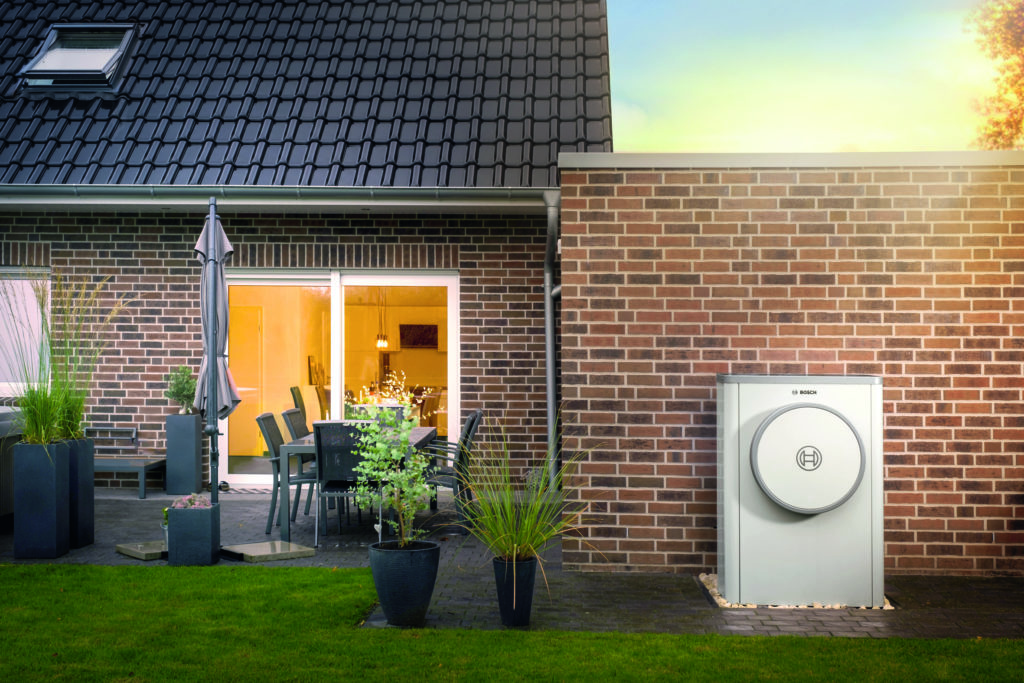
Heat pumps extract heat from the air (air-source heat pumps) or ground and use it to warm your home and water. They’re super efficient, moving heat from outside to inside the home, rather than creating it from scratch.
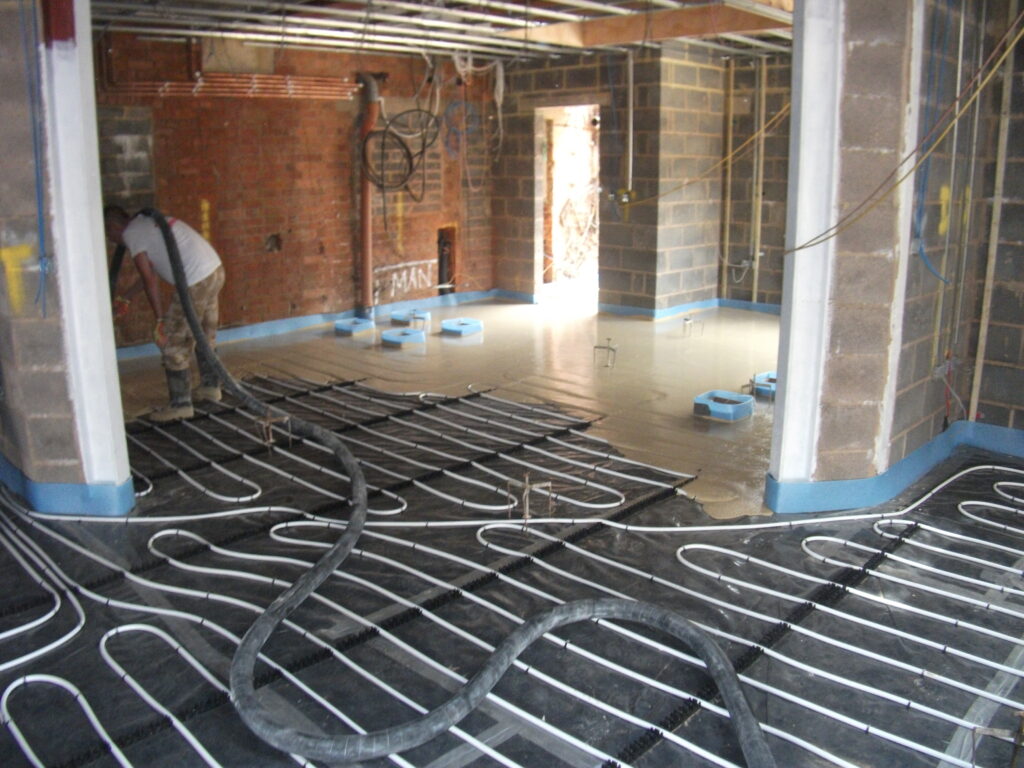
Water-based underfloor heating systems are especially efficient at heating homes. But keep in mind they are best suited to new builds or big renovation projects.
Solar panels convert sunlight into electricity for your home. Once installed, solar panels generate free, renewable energy, helping you cut your bills and reduce reliance on the grid — especially when combined with battery storage.
Top Tip: Look into government grants for energy efficient home improvements and solar panel incentives, as these can make upgrading your heating system even more cost effective.
How Much Could You Save?
We’ve estimated how much you could save per year, by home efficiency improvement.
Keep in mind: Upgrading your home is a long-term investment and the ‘payback period’ (time it takes to recover the upfront costs) varies by project.
Estimated Annual Savings by Home Efficiency Improvement
Using average UK energy prices…
| Home upgrade | Cost to install (est.) | Annual savings (£) | Payback period |
| Smart Controls | £150–£300 | £75–£150 | 1–3 years |
| Modern Condensing Combi Boiler | £2,000–£3,000 | £150–£250 | 8–15 years |
| Hybrid Boiler System | £6,000–£12,000 | £150–£300 | 12–20 years |
| Air Source Heat Pump | £8,000–£14,000 (before grants) | £200–£400 | 15–25 years (shorter with grants) |
| Solar Panels | £8,000–£11,000 | £200–£400 | 10–15 years |
| Thermostatic Radiator Valves (TRVs) | £100–£300 | £40–£80 | 2–5 years |
| Power Flushing | £300–£600 | £30–£60 | 5–10 years |
| Draught Proofing / ‘Weather Sealing’ | £100–£200 | £50–£100 | 1–3 years |
The Right Efficiency Improvements for Your Home
What could work best in your home? Not every upgrade will suit your setup, but combining the ones that do – say, power flushing and room-by-room radiator controls – could mean real savings.
A professional engineer will help you work out what you need and the upfront costs involved. For larger upgrades, Custom Heat offers finance options, making it easier to spread the cost while you start saving on your energy bills right away.
There are also government grants and schemes available in the UK to help towards the costs of energy upgrades, especially for heat pumps and hybrid systems.
FAQs: Home Efficiency Upgrades
Still got questions? The answers to these commonly asked questions might help you decide how you’ll upgrade your home this winter.
What does it mean to have an energy-efficient home?
An energy-efficient home uses less energy to provide the same level of comfort, which means cheaper bills and less carbon emissions.
What are the energy efficiency ratings for UK homes?
The UK uses a rating system to rank how energy efficient homes are:
A–B = Very energy efficient
C = Above average
D = Average
E–G = Below average to poor
Is energy rating D good for a house?
An energy rating of D for a house is considered average – not the best it could be. A house rated D will likely be paying more than it should be for heating and electricity. It could benefit from home efficiency improvements, like better insulation, new windows or upgraded heating systems.
How do I improve the energy efficiency of my home?
Make your home more energy efficient through: proper insulation and draughtproof sealing, efficient appliances and heating systems, energy-saving lighting, double-glazed windows and smart thermostats to reduce heat loss.
Does double glazing improve home energy efficiency?
Yes, double glazing can improve your energy efficiency. It can reduce heat loss by up to 50%, by minimising hot air leaks. Upgrading to double or even triple glazing is a common and effective step in making a home more energy efficient.
How does a hot water tank jacket reduce heat loss?
A hot water tank jacket insulates the tank, helping it keep its heat for longer. Typically made from foam or fiberglass, a jacket can help cut down heat loss by up to 75% (compared to un-insulated tanks).
References and Further Reading
- How much could a new boiler save me?
- Gas boiler vs heat pump – which is right for you?
- What is hybrid heating? Is it the future?
- The Energy Saving Trust
- The Centre for Sustainable Energy
- Mintel’s Global Household Confidence Tracker